

From shipping operations to stock control, clear labelling is what keeps products moving efficiently through a business. It ensures items are stored in the right place, picked accurately, packed correctly and delivered to the right destination. In many ways, labels are the quiet organisers of every supply chain, essential to smooth operations, clear communication and customer satisfaction.
In busy environments where accuracy and efficiency matter, how those labels are printed can make a significant difference. That’s why so many businesses are moving away from ink-based printers and turning to thermal printers, a cleaner, faster and more reliable way to produce clear, consistent labels at scale.
But how do thermal label printers actually work, and why are they so effective compared to traditional printing methods? In this article, we explore the technology behind thermal printing, the difference between direct thermal and thermal transfer, and how choosing the right method can improve accuracy, reduce costs and support smoother business operations.
What Makes Thermal Printing Different?
Unlike traditional inkjet or laser printers, thermal printers don’t need ink, toner or cartridges. Instead, they use heat to create the print, and this innovation doesn’t just reduce costs, it improves reliability, speed and clarity. Businesses choose them because they are simple, clean to operate, and ideal for labels containing barcodes, tracking numbers, addresses, expiry dates, or product codes.
Both use heat, but the way they produce the print and the durability of the final label are very different.
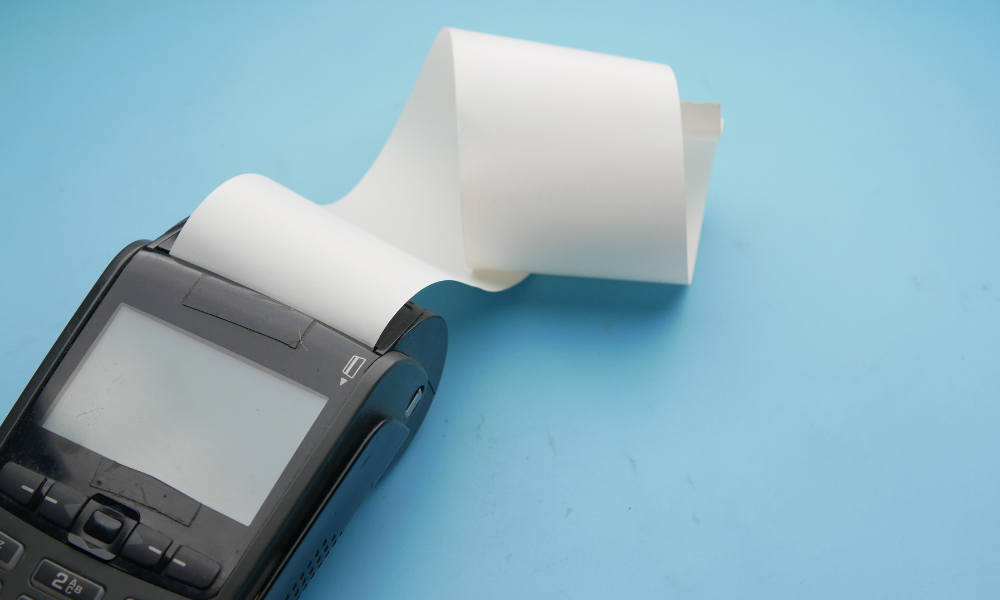
How Direct Thermal Printing Works
Direct thermal labels are coated with a heat-sensitive layer. When the label passes under the printhead, targeted heat activates that coating, turning it black wherever heat is applied. There is no ribbon, no ink and no toner, just heat reacting with the label surface.
Direct thermal printing is efficient, quick and ideal for situations where the label doesn’t need to last for very long. This makes it a favourite for shipping labels, courier stickers, receipts, temporary stock labels and barcodes used in logistics.
It works best in controlled indoor environments, where the labels are not exposed to sunlight, moisture or high temperatures. Over time, direct thermal labels may fade, making them unsuitable for product packaging, long-term storage or compliance labelling. That’s where thermal transfer takes the lead.
How Thermal Transfer Printing Works
Thermal transfer printing delivers a longer-lasting label, and it’s the preferred method in manufacturing, retail, healthcare, and laboratories.
Instead of heating the label surface directly, thermal transfer printers use a ribbon. This ribbon is coated in wax, resin or a combination of both. As the ribbon passes under the heated printhead, the coating melts and transfers onto the label, creating a crisp, durable print that can last for years.
This method is not just more durable; it also allows for colour printing simply by using coloured ribbons. It is suitable for product labels, outdoor packaging, industrial tags, laboratory samples and even asset tracking labels that need to stay intact and legible over time.
Where direct thermal is about speed and simplicity, thermal transfer is about longevity and resilience.
Why Does This Matter for Your Business?
Before choosing a printing method, it helps to consider how your labels are actually used. Are they handled frequently by customers? Do they travel through courier networks, warehouses or storage facilities? Will they be exposed to moisture, friction or changing temperatures? Do they need to last just a few days or remain clear and reliable for months, even years?
This is where the choice between direct thermal and thermal transfer printing becomes more than a technical decision. It affects business efficiency, compliance, traceability and how professionally your brand is presented. A faded barcode can lead to returns or delays in delivery. A poorly adhered label can cause inventory errors. And unclear product information can influence how customers perceive your business.
With the right printing method, these problems can be avoided altogether, keeping your labelling sharp, accurate and reliable across every stage of your process.
Paper vs Synthetic Labels
Paper thermal labels are a popular choice for everyday use in busy dispatch areas, offices and retail settings. They print cleanly, are cost-effective, and are ideal for shipping, address and stock labels where the label only needs to perform for a short period.
For labels that need to handle more demanding conditions, synthetic options like polypropylene and polyester offer greater strength. These materials are tear-resistant, water-resistant and far better suited to long-term tracking, packaging and storage. They’re designed to stay intact through handling, movement and exposure to moisture.
In industries where reliability is critical, such as laboratories, pharmaceuticals, food production or cold storage, synthetic labels paired with resin ribbons take performance even further. At this level, labels can withstand chemicals, UV exposure and extreme temperatures while remaining fully readable.
Ultimately, label material determines how well your labels perform in real-world use. It shapes whether your labels stay clear for a week or remain strong and legible for years.
What About Ribbons?
Wax ribbons are a popular choice for everyday applications such as office use, retail and logistics. When paired with paper labels, they deliver clear, sharp results for addresses, barcodes and general product information, making them ideal for routine labelling tasks where longevity isn’t a pressing concern.
As soon as your labels need to withstand regular handling, packaging or storage, wax-resin ribbons offer an excellent step up in durability. They provide better resistance to smudging and abrasion, making them perfectly suited to product labels, warehouse bins and identification tags used in more demanding environments.
For the most challenging conditions, resin ribbons offer exceptional resilience. Designed to work with synthetic label materials, they stand up to moisture, chemicals, extreme temperatures and harsh handling, making them the best option for laboratories, cold chain logistics, outdoor storage and compliance labelling.
Ultimately, the ribbon you choose has a direct impact on label performance, and it can be the difference between a label that lasts only days and one that remains intact and readable for years.
The Real Value of Thermal Printing
When your labels are consistent, durable and clear, everything from packing to dispatch becomes more efficient. It prevents re-labelling mistakes, protects your brand’s professional image and keeps operations moving smoothly.
Reliable labels play a crucial role in tracking stock, meeting industry compliance, and ensuring parcels reach the right places without delay. With no risk of fading, smudging or unreadable barcodes, businesses that ship, store, identify or trace their products quickly see that thermal printing is a strategic advantage.
Conclusion
In an environment where accuracy, speed and professionalism directly affect customer satisfaction, thermal printing provides a powerful solution. Whether you need quick, cost-effective shipping labels or long-lasting, durable product labels, understanding how thermal printers work helps you make smarter decisions for your business.
At Labels Zoo, we stock high-quality direct thermal and thermal transfer labels compatible with leading printers, including Zebra, Brother, Dymo and Toshiba. From everyday address labels to heavy-duty synthetic labels built to last – we help your labels work as hard as you do.
Shop Thermal Labels at Labels Zoo
When it comes to sending parcels, products, or important documents, choosing the correct Royal Mail parcel sizes is essential to avoid any surcharges. Whether you’re sending products to customers or posting gifts to family, in this 2026 guide, we will break down Royal Mail parcel dimensions, weight limits and practical…
As of 19 January 2026, Royal Mail has officially stopped supplying 4×6 thermal shipping labels to customers for their shipping requirements. This change has affected thousands of UK businesses, particularly eCommerce sellers, fulfilment centres, and high-volume Royal Mail customers who rely on 4×6 thermal labels for daily dispatch. If you…

12/01/2026
How to Print WhatNot Shipping Labels
Selling on WhatNot is fast-paced, live, and community-driven – but once the stream ends, smooth shipping is what keeps buyers happy and reviews high. In this guide, we’ll walk through exactly how to print WhatNot shipping labels, which printer and label formats to choose, and what happens after your orders…